Space has always fascinated kids, sparking their imaginations and curiosity about the universe. From twinkling stars to distant planets, the wonders of the cosmos offer endless opportunities for exploration and learning. Engaging young minds with the mysteries of space can inspire a lifelong passion for science and discovery.
In a world where technology and innovation drive progress, introducing children to space can be both fun and educational. With interactive activities, captivating stories, and hands-on projects, kids can dive into astronomy and understand the science behind our universe. This article will explore exciting ways to ignite a child’s interest in space, making learning an adventure that reaches beyond the classroom.
What Is Space for Kids?
Space for kids refers to a specialized approach in introducing children to the concepts and wonders of the universe. This realm encompasses astronomy, the solar system, stars, planets, and even the mysteries of black holes. Engaging children with space science aims to cultivate their understanding and appreciation of these topics.
Space education incorporates various methods, including interactive activities, educational games, and hands-on projects. Teachers and parents can leverage resources like books, videos, and apps to enhance learning experiences. For example, planetarium visits provide immersive environments that make learning about celestial bodies exciting and tangible.
Children can explore significant topics such as:
- The Solar System: Understanding the planets, moons, and other celestial objects that orbit the sun.
- Stars and Galaxies: Learning about star formation, types of stars, and the vast universe filled with galaxies.
- Astronauts and Space Exploration: Discovering the history of space travel and the role of astronauts in scientific missions.
Incorporating subjects like these can foster a sense of wonder that inspires future explorations in science, technology, engineering, and mathematics (STEM). By creating enjoyable and educational experiences, space for kids captivates their imaginations and encourages lifelong learning.
Importance of Teaching Space to Kids
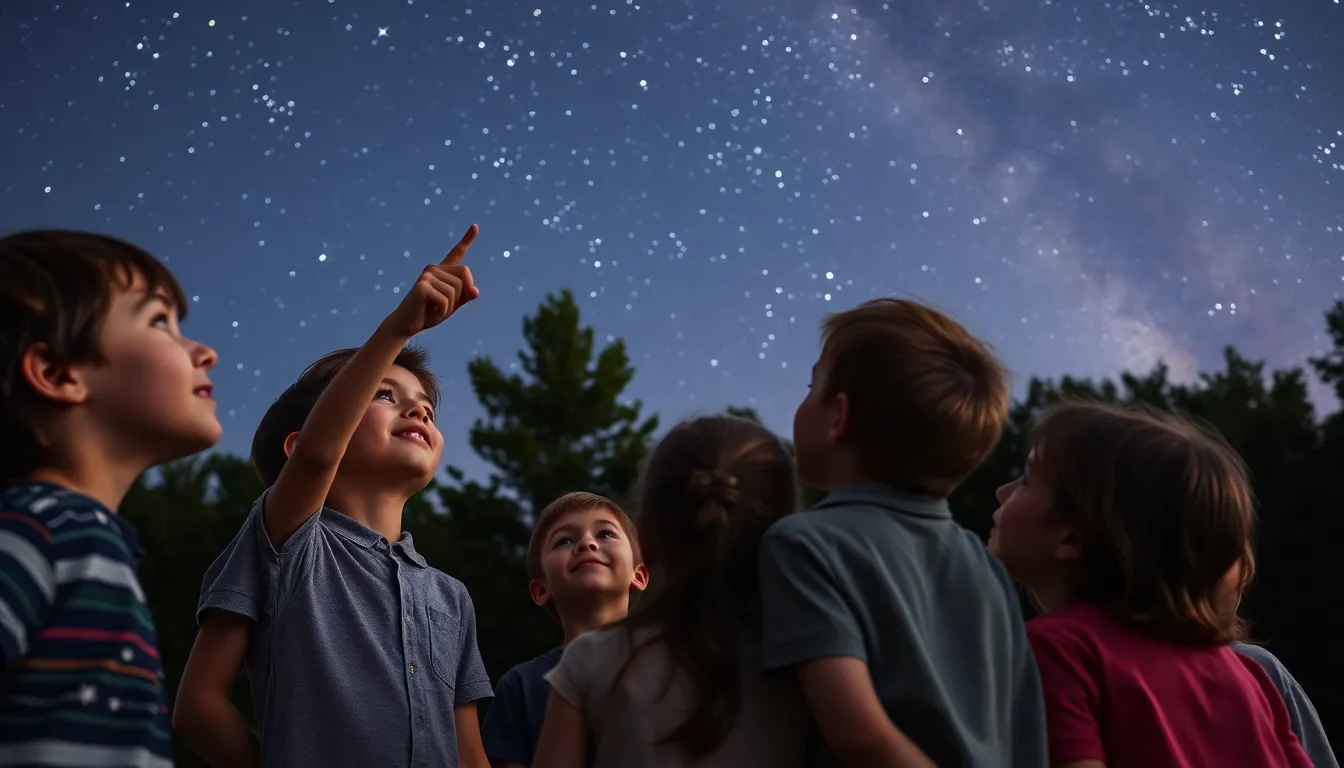
Teaching space to kids fosters curiosity and builds knowledge about the universe. Understanding space plays a vital role in shaping their interest in science and technology.
Fostering Curiosity
Fostering curiosity in children regarding space encourages exploration and questioning. Space education introduces them to concepts like gravity, light years, and black holes. Engaging children with interactive activities, such as stargazing or visiting planetariums, inspires wonder and intrigue. Curiosity-driven learning promotes critical thinking and enhances problem-solving skills, which are essential for future academic pursuits.
Building Knowledge
Building knowledge about space equips children with foundational scientific concepts. Learning about the solar system, planets, stars, and galaxies develops their understanding of the universe’s structure and function. Educational resources, such as books, documentaries, and science kits, provide essential information and stimulate interest. Understanding space also lays the groundwork for careers in fields like astronomy, engineering, and environmental science, highlighting its long-term academic and professional benefits.
Engaging Activities for Learning About Space
Engaging activities enhance children’s understanding of space, making learning enjoyable and impactful. These experiences can ignite curiosity and foster a love for science.
Fun Science Experiments
- DIY Rocket Launchers
Create simple rocket launchers using plastic bottles, vinegar, and baking soda. This experiment demonstrates propulsion and teaches about the forces at play in space travel.
- Crater Creation
Simulate impact craters by dropping various objects into flour and cocoa powder. This activity illustrates how meteoroids create craters on celestial bodies, helping children visualize space impact events.
- Solar System Scale Model
Construct a scale model of the solar system using common household items. By measuring distances using accurate ratios, children grasp the vastness of space and the relative sizes of planets.
Interactive Games and Simulations
- Space Exploration Apps
Utilize educational apps like “Star Walk” or “NASA’s Eyes on the Solar System.” These interactive tools allow children to explore celestial bodies, track satellites, and visualize constellations.
- Online Space Quizzes
Engage children with online quizzes about planets, stars, and history of space exploration. Websites like NASA or Space.com provide fun challenges that reinforce learning through gamification.
- Virtual Reality Experiences
Leverage VR simulations that offer immersive journeys through the universe. Programs like “Universe Sandbox” allow children to manipulate celestial mechanics and observe phenomena firsthand.
Recommended Resources for Kids
Several resources exist to enhance children’s understanding of space. These tools help stimulate curiosity and engagement with the universe’s wonders.
Books and Literature
Numerous books provide captivating information about space. Notable options include:
- “There’s No Place Like Space” by Tish Rabe
This book introduces young readers to the solar system with vibrant illustrations and rhyming text.
- “The Darkest Dark” by Chris Hadfield
A blend of storytelling and memoir, this book inspires courage and curiosity about space exploration.
- “Space Atlas: TIncredible Stars, Planets, and Moons” by Natalie Vachon
This atlas offers detailed maps and illustrations, providing children with an overview of celestial bodies.
Libraries and bookstores often feature dedicated sections for children’s astronomy literature, making these books accessible for learning.
Educational Websites and Apps
A variety of educational websites and apps provide interactive learning experiences about space. Useful platforms include:
- NASA Kids’ Club
This website offers games and activities tailored to children, fostering interest in space science.
- Star Walk 2
This app allows users to identify stars, planets, and constellations in real time, enhancing outdoor stargazing experiences.
- Cosmic Kids Yoga
This app combines storytelling and yoga, immersing children in space-themed adventures while promoting physical activity.
These resources provide engaging and interactive ways to explore space, turning learning into an exciting journey for young minds.
Exploring space can ignite a passion for science in children that lasts a lifetime. By engaging young minds with interactive activities and captivating resources, parents and educators can inspire curiosity about the universe. Activities like stargazing and DIY projects not only make learning fun but also deepen understanding of complex concepts.
As kids dive into the mysteries of the solar system and beyond, they develop critical thinking skills that are essential for future success. Encouraging this exploration fosters a sense of wonder that can lead to exciting career paths in STEM fields. Ultimately, the journey into space education opens up new horizons for young learners, making it an invaluable part of their growth and development.