In today’s rapidly evolving educational landscape, the role of science teachers is more crucial than ever. They don’t just impart knowledge; they inspire curiosity and foster critical thinking among students. A vibrant community of science teachers can amplify these efforts, creating a network of support, resources, and shared experiences that enhance teaching practices.
This community serves as a hub for collaboration, where educators exchange innovative ideas and strategies to engage students in the wonders of science. By connecting with fellow teachers, they can tackle challenges together and celebrate successes, ultimately enriching the learning experience for their students. In this article, we’ll explore the significance of the science teachers community and how it can transform the way educators teach and students learn.
Overview of Science Teachers Community
The science teachers community plays a crucial role in the professional development and success of educators. This network of science teachers fosters collaboration, allowing educators to exchange innovative resources, teaching methods, and insights. Members often participate in local, national, and online forums to engage in discussions that enhance their teaching practices.
Members utilize various platforms to connect, including social media groups, professional organizations, and dedicated websites. These platforms empower members to share best practices, address common challenges, and collaborate on projects. Events such as workshops and conferences provide further opportunities for networking and skill-building.
The community also promotes student-centered learning by supporting educators in creating engaging curricula. By sharing materials that spark students’ interest in science, teachers can inspire the next generation of scientists and critical thinkers.
Furthermore, mentorship opportunities abound within the community, benefiting both novice and experienced teachers. This mentorship fosters growth, creating an environment where everyone can thrive professionally. Overall, the science teachers community serves as a vital resource for educators looking to enhance their teaching efficacy and positively impact student learning outcomes.
Benefits of Being in a Science Teachers Community
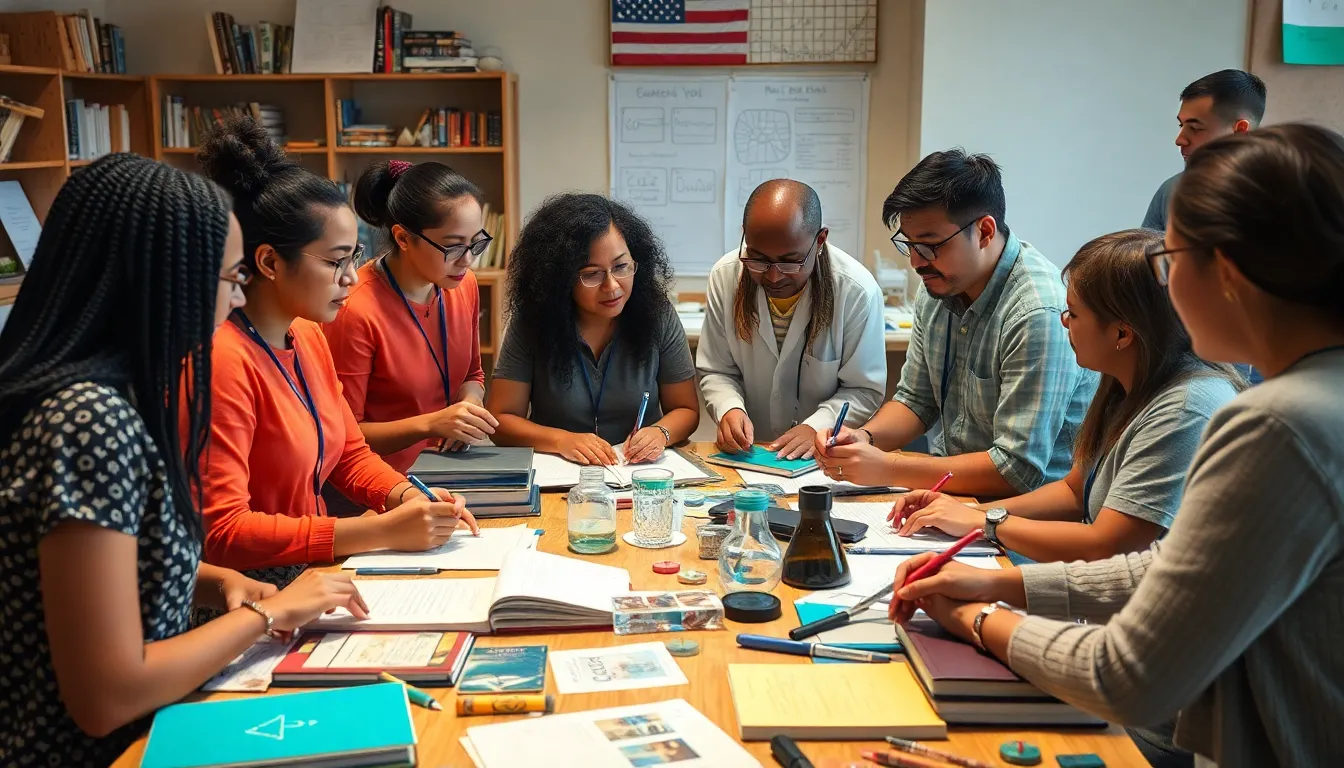
Being part of a science teachers community offers numerous advantages that enhance both teaching practices and student learning outcomes. This network creates connections that enrich the educational experience for both educators and their students.
Networking Opportunities
Networking opportunities abound within a science teachers community. Members engage with fellow educators, exchange ideas, and establish professional relationships. These relationships foster collaboration, allowing teachers to share innovative approaches to science education. Conferences, meetups, and online forums facilitate these connections, providing platforms for discussion and inspiration. Engaging with peers also leads to mentorship opportunities, enabling less experienced teachers to gain insights from seasoned professionals.
Sharing Resources and Best Practices
Sharing resources and best practices is a significant benefit of belonging to a science teachers community. Members contribute lesson plans, instructional materials, and multimedia resources that support diverse learning styles. Collaborative platforms, such as social media groups and dedicated websites, streamline resource sharing, making it easy for teachers to access valuable tools and information. Best practices in teaching methodologies circulate within the community, allowing educators to learn from one another’s experiences. This collaborative environment strengthens teaching effectiveness, driving student engagement and achievement in science.
Challenges Faced by Science Teachers
Science teachers encounter several challenges that impact their teaching effectiveness.
- Resource Limitations
Schools often lack sufficient funding for laboratory materials and equipment. Teachers may struggle to implement hands-on experiments due to inadequate supplies, which limits students’ practical learning experiences.
- Curriculum Constraints
Pre-defined curricula may restrict educators from exploring topics in depth. Standardized testing requirements can force teachers to prioritize test preparation over inquiry-based learning, reducing students’ engagement and enthusiasm for science.
- Diverse Learning Needs
Classrooms typically include students with varying academic abilities and learning styles. Catering to this diversity can complicate lesson planning, as teachers strive to create inclusive environments that address the needs of all students.
- Classroom Management
Large class sizes can lead to difficult classroom dynamics. Managing a diverse group of students while maintaining a productive learning environment requires significant effort and skill from science teachers.
- Professional Development Access
Availability of professional development opportunities can vary significantly. Many educators face challenges in accessing relevant training that aligns with their specific teaching needs, affecting their ongoing growth and effectiveness.
- Integration of Technology
Rapid changes in technology can overwhelm educators. Science teachers must continuously adapt to new tools and resources while ensuring students engage meaningfully with technology in their studies.
- Maintaining Student Interest
Engaging students in complex scientific concepts can be challenging. Teachers often seek innovative methods to spark curiosity and foster a lasting interest in science, necessitating creative approaches to curriculum design.
By understanding these challenges, science teachers can seek support from their community to overcome obstacles, enhance teaching practices, and improve student outcomes.
Successful Models of Science Teachers Communities
Successful models of science teachers communities thrive on collaboration and shared resources. These communities leverage diverse platforms to enhance professional development and empower educators.
Online Platforms and Social Media Groups
Online platforms and social media groups serve as vital tools for connecting science teachers. These digital spaces allow educators to share resources, discuss teaching strategies, and seek advice. Popular platforms such as Facebook, Twitter, and dedicated educational networks provide a forum for interaction among members. For instance, Facebook groups focused on science education have thousands of members exchanging lesson plans and classroom experiences. Additionally, Twitter chats create real-time discussions on specific topics, enabling teachers to engage with peers worldwide. These platforms facilitate quick access to innovative practices, leading to improved teaching strategies and deeper student engagement.
Local Professional Development Workshops
Local professional development workshops offer essential hands-on training for science teachers. These workshops foster connections among educators while providing targeted skill-building opportunities. Organized by schools, districts, or local educational organizations, these sessions cover various topics, such as inquiry-based learning and integrating technology in the classroom. Workshops can feature expert speakers and opportunities for collaborative lesson planning. For example, a recent workshop focused on STEM education provided practical strategies that teachers implemented successfully in their classrooms. These local events reinforce professional growth and ensure teachers remain current with scientific advancements and pedagogical trends.
The science teachers community stands as a crucial pillar in the educational landscape. By fostering collaboration and resource sharing, it empowers educators to tackle challenges and elevate their teaching practices. This supportive network not only enhances professional growth but also enriches the student learning experience.
As science teachers engage with one another through various platforms and events, they cultivate a dynamic environment that encourages innovation and creativity. With mentorship opportunities and shared resources, they can effectively address the diverse needs of their students. Ultimately, the strength of this community lies in its ability to inspire educators and students alike, driving a passion for science that benefits future generations.