In today’s fast-paced world, fostering mindfulness in children has become essential for their emotional and mental well-being. Mindful child activities not only help kids connect with their feelings but also promote focus, resilience, and creativity. Engaging in these activities can transform everyday moments into opportunities for growth and connection.
From simple breathing exercises to nature walks, there’s a wide range of fun and interactive ways to introduce mindfulness to children. These activities encourage them to slow down and appreciate the present, laying the foundation for a balanced and fulfilling life. By incorporating mindful practices into their daily routine, parents and caregivers can empower kids to navigate their emotions and develop a deeper understanding of themselves and the world around them.
Overview of Mindful Child Activities
Mindful child activities promote awareness and emotional regulation in children. These activities encourage children to focus on their present experiences and cultivate a deep connection with their emotions.
Breathing Exercises
Breathing exercises teach children to manage stress. Practicing deep breathing can calm anxiety and enhance focus. Simple techniques, such as counting breaths or visualizing a calm place, make this accessible for all ages.
Nature Walks
Nature walks provide opportunities for sensory exploration. Children engage with their surroundings by observing sights, sounds, and smells. This activity can increase appreciation for nature and foster a sense of peace.
Yoga for Kids
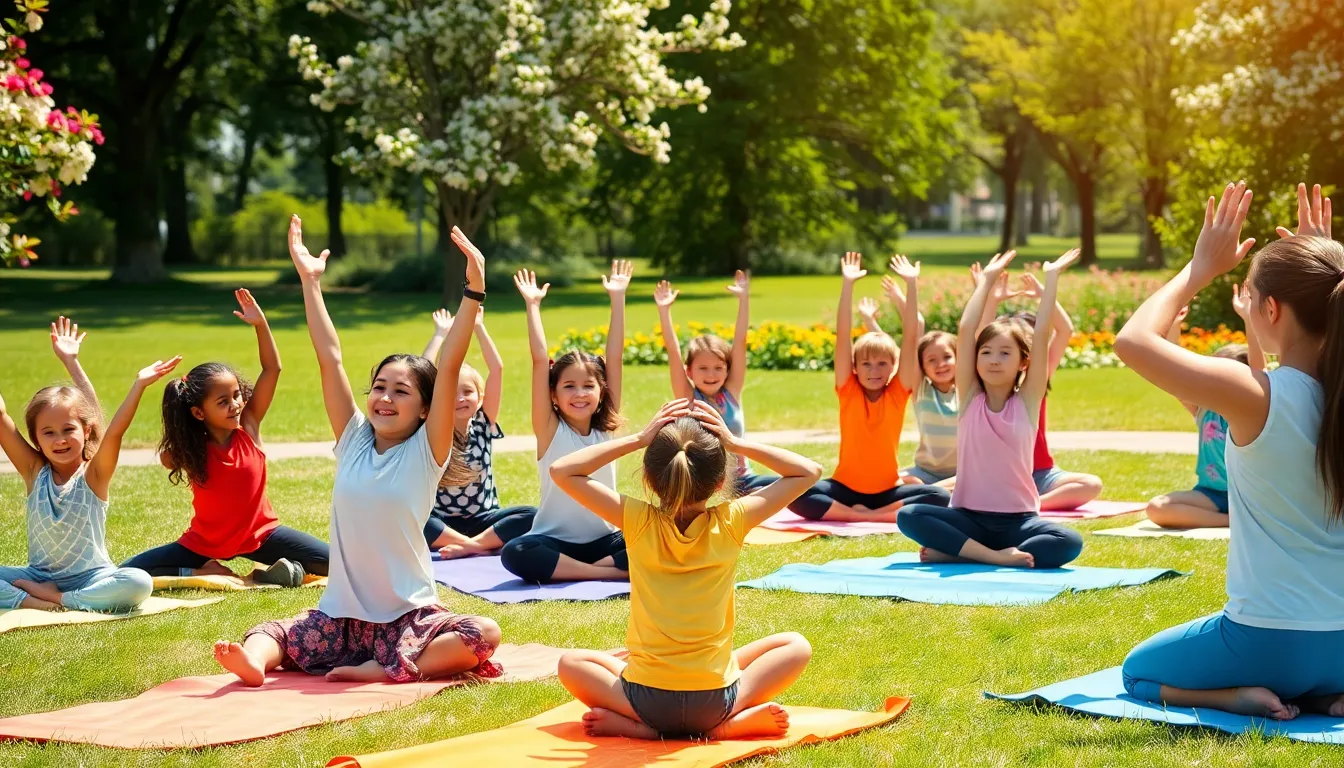
Yoga promotes physical and mental well-being. Simple poses, such as tree pose or warrior pose, assist with balance and concentration. Incorporating storytelling in yoga sessions keeps children engaged.
Mindfulness Games
Mindfulness games are engaging and educational. Activities like “mindful listening,” where children identify sounds around them, encourage focus. Games stimulate awareness without the pressure of competition.
Journaling
Journaling provides a safe space for self-reflection. Children articulate their thoughts and feelings, promoting emotional understanding. Guided prompts can help children express themselves without feeling overwhelmed.
Crafting with Intent
Crafting involves creativity and focus. Activities, such as painting or crafting with natural materials, allow children to express their emotions visibly. Incorporating mindfulness by encouraging them to focus on each color and texture enhances the experience.
These mindful activities contribute to children’s emotional intelligence and overall well-being. Integrating them into daily routines supports mindfulness development and fosters resilience in an ever-changing environment.
Benefits of Mindful Child Activities
Mindful child activities offer numerous advantages, significantly impacting emotional health and cognitive skills. Engaging in these activities enhances a child’s overall quality of life.
Emotional Well-being
Mindful activities improve emotional well-being by promoting self-awareness and emotional regulation. Children learn to identify and express their feelings, reducing anxiety and stress. For example, breathing exercises provide tools for calming overwhelming emotions, while nature walks foster appreciation for surroundings, encouraging relaxation. Engaging in mindfulness games enhances social interactions, allowing children to build empathy and improve relationships with peers. Through consistent practice, children develop resilience and coping mechanisms for emotional challenges.
Cognitive Development
Mindful activities contribute to cognitive development by enhancing focus and attention. Simple practices like yoga and meditation improve concentration, enabling children to engage more fully in academic tasks. Techniques such as journaling stimulate creativity and critical thinking, fostering effective problem-solving skills. Furthermore, mindful crafting encourages fine motor skills and spatial awareness as children concentrate on specific tasks. Overall, these activities nurture a growth mindset, empowering children to approach challenges with curiosity and confidence.
Types of Mindful Child Activities
Mindful activities encompass a variety of experiences that engage children both indoors and outdoors. These activities promote mindfulness through movement, creativity, and sensory exploration.
Outdoor Activities
- Nature Walks: Nature walks help children connect with the environment. They can observe plants, animals, and changing weather, enhancing their sensory experiences while promoting awareness.
- Gardening: Gardening engages children in mindfulness through nurturing plants. It encourages patience and responsibility while allowing them to observe growth and seasonal changes.
- Outdoor Yoga: Practicing yoga outdoors incorporates movement and breathing exercises. Children can focus on their poses, feel the ground beneath them, and appreciate the natural surroundings.
- Mindful Hiking: Hiking provides opportunities to explore different terrains and environments. Children can practice gratitude for nature’s beauty during their journey, fostering appreciation.
Indoor Activities
- Breathing Exercises: Simple breathing exercises can significantly calm the mind. Children inhale deeply and exhale slowly, learning to focus on their breath to reduce stress and anxiety.
- Mindful Listening: Mindful listening activities enhance auditory awareness. Children listen to calming sounds like music or nature and reflect on what they hear, improving concentration.
- Meditation: Short meditation sessions introduce children to mindfulness practices. Guided meditations focus their thoughts, facilitating emotional regulation and promoting relaxation.
- Journaling: Journaling offers a space for self-expression. Children can write down feelings, thoughts, or experiences, encouraging reflection and understanding of their emotions.
Creative Activities
- Mindful Art: Engaging in art allows children to express emotions creatively. Focus on colors, shapes, and materials fosters concentration, enabling a calm mindset.
- Crafting with Intent: Intentional crafting activities, like making friendship bracelets, emphasize mindfulness through attention to details while promoting creativity and fine motor skills.
- Storytelling: Telling or reading stories encourages children to visualize and immerse themselves in narratives. This practice cultivates imaginative thinking and emotional connection to the characters.
- Music and Movement: Combining music with movement allows children to express their feelings physically. Dancing or playing instruments enhances emotional awareness and promotes joy.
These mindful activities, whether outdoors, indoors, or creatively, support children’s emotional and cognitive growth while nurturing their connection to the present moment.
How to Introduce Mindful Practices at Home
Creating an environment conducive to mindfulness enhances its practice. With intentional actions, families can foster a mindful home atmosphere.
Setting the Right Environment
Setting an inviting environment lays the groundwork for mindfulness. Designate a quiet space with minimal distractions where children can comfortably engage in mindful activities. Incorporate calming elements like cushions, low lighting, or nature-inspired decorations to promote relaxation. Adding soft music or nature sounds can enhance focus and reduce anxiety. Displaying art, plants, or materials related to mindfulness serves as daily visual reminders for children to engage in mindful practices.
Encouraging Routine
Establishing a consistent routine encourages mindfulness in daily life. Integrate mindful practices into existing activities, such as starting meals with a moment of gratitude or engaging in deep breathing before bedtime. Introduce specific times for mindfulness, embedding exercises like yoga, meditation, or guided imagery into the weekly agenda. Reinforce participation through positive reinforcement and shared family experiences, making mindfulness a normal part of family life. By creating regular opportunities for mindfulness, children develop a natural inclination to engage with their thoughts and feelings.
Incorporating mindful activities into children’s daily routines can significantly enhance their emotional and mental well-being. By engaging in practices that promote awareness and emotional regulation, kids can learn to navigate their feelings more effectively.
These activities not only foster creativity and focus but also strengthen social connections and empathy. As families embrace mindfulness at home, they create a nurturing environment where children can thrive.
Ultimately, the journey toward mindfulness is a valuable gift that equips children with essential life skills, preparing them to face the challenges of an ever-changing world.