
Imagine twirling fresh, homemade pasta around your fork, each bite bursting with flavor and texture that store-bought just can’t match. It’s not just a meal; it’s a culinary adventure that transforms your kitchen into an Italian trattoria. Making pasta from scratch might sound daunting, but it’s easier than finding a parking spot in a crowded lot.
What Is Homemade Pasta?
Homemade pasta refers to pasta made from scratch using flour, eggs, and water. This type of pasta differs significantly from pre-packaged varieties in terms of taste and texture. Many chefs and home cooks prefer fresh pasta for its ability to absorb sauces more effectively, enhancing the overall flavor of the dish.
Typically, common types of flour used for homemade pasta include all-purpose flour and semolina flour. Fresh eggs are often incorporated into the dough, providing richness and elasticity. Some recipes may also include water, adding hydration to achieve the desired consistency. The combination creates a moist and tender pasta that cooks quickly, usually within a few minutes.
Different pasta shapes can be crafted easily, such as fettuccine, tagliatelle, and farfalle. Each shape lends itself well to specific sauces or dishes. For example, thicker sauces pair well with wider noodles like pappardelle, while thinner sauces suit delicate shapes like angel hair. Additionally, homemade pasta offers versatility; it can be flavored with ingredients like spinach or beet puree, resulting in vibrant colors and unique taste profiles.
Creating fresh pasta doesn’t require extensive culinary skills. Simple tools, like a rolling pin and a sharp knife, are sufficient. Many cooks find the process rewarding, observing how the dough transforms as it’s rolled and shaped. The sense of accomplishment from creating something from scratch elevates the home dining experience. By making homemade pasta, chefs engage with traditional cooking methods that connect them with culinary history.
Benefits Of Making Homemade Pasta
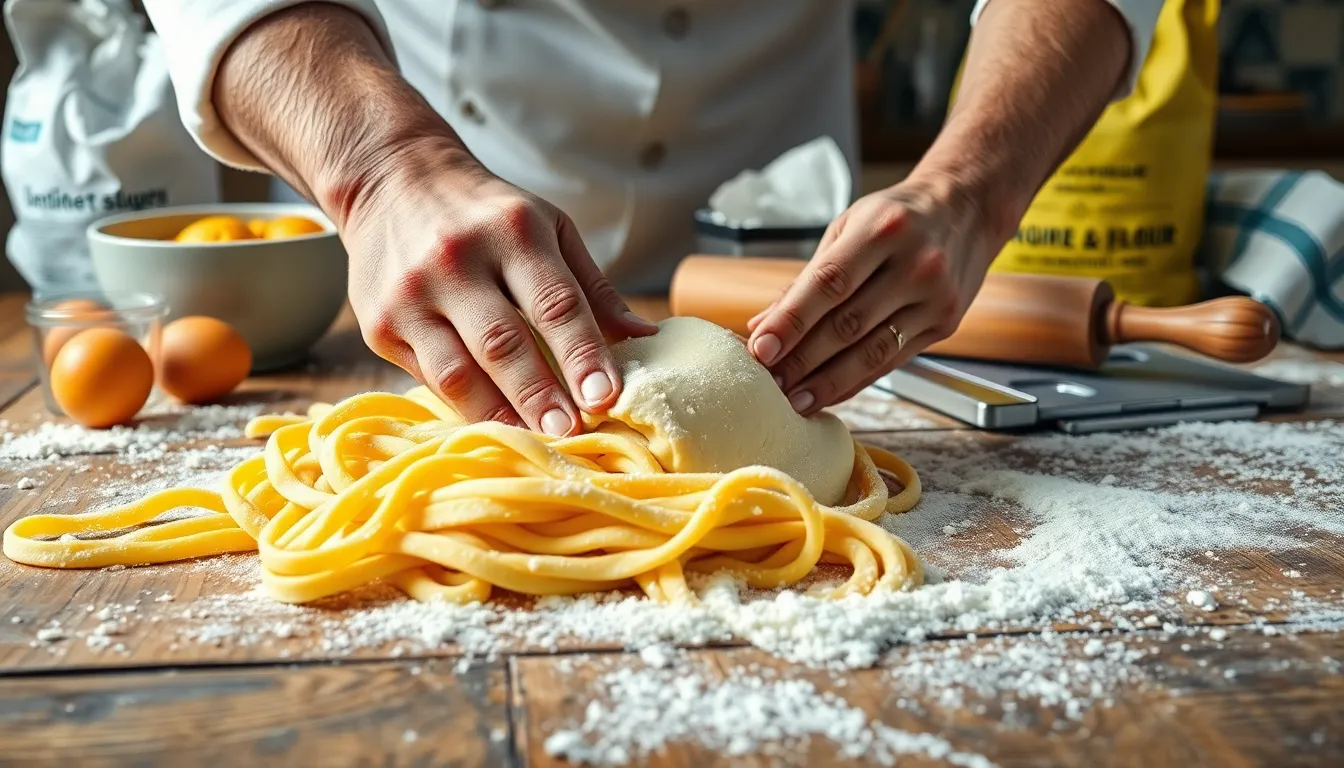
Making homemade pasta offers a range of advantages that appeal to both gourmet chefs and everyday cooks.
Improved Flavor And Texture
Fresh pasta boasts enhanced flavor and texture. Store-bought varieties often lack the richness found in homemade versions. Chefs recognize that the immediate consumption of fresh pasta retains subtle flavors and the al dente bite that complements various sauces. Techniques like hand-rolling can create nuances in thickness that affect how sauces cling. Results include a culinary experience that surpasses the ordinary, elevating meals with taste that store-bought options can’t replicate.
Healthier Ingredients
Homemade pasta allows complete control over ingredients. Cooks choose high-quality flour and fresh eggs, avoiding preservatives common in packaged types. Customized recipes cater to dietary preferences, including gluten-free options or added vegetables to boost nutrition. Each ingredient contributes to a wholesome dish, providing essential nutrients while avoiding unhealthy additives. Cooks enjoy peace of mind knowing precisely what’s in their pasta, enhancing both health and flavor potential.
Essential Tools For Homemade Pasta
Creating homemade pasta requires some essential tools that streamline the process and enhance the experience. Each tool contributes uniquely to making fresh pasta a reality in the kitchen.
Pasta Maker
A pasta maker simplifies rolling and shaping the dough. With various settings for thickness, users can achieve consistent results, catering to preferences. Many models come with attachments for different pasta shapes, offering versatility for dishes. Electric machines reduce manual effort, while hand-crank models often provide a traditional experience. Both options allow cooks to master the art of pasta making without difficulties.
Rolling Pin And Cutting Tools
Rolling pins serve as vital tools for flattening dough to desired thickness. Various styles exist, with some featuring handles for ease of use. Straight edges help create even sheets, which are crucial for even cooking. Cutting tools such as sharp knives or pasta cutters are essential for achieving perfect shapes. Precision in cutting leads to consistent cooking times and better sauce adherence, making it integral to the final dish.
Step-By-Step Guide To Making Homemade Pasta
Creating homemade pasta involves a few straightforward steps that lead to delicious results. This guide breaks down each process clearly.
Preparing The Dough
Start with two cups of all-purpose flour, creating a mound on a clean surface. Make a well in the center, then add three large eggs. Combine the ingredients using a fork until a shaggy dough forms. Knead the dough for about eight to ten minutes, ensuring it becomes smooth and elastic. Resting the dough for at least 30 minutes allows the gluten to relax, which contributes to a more workable texture. Once rested, the dough is ready for rolling and shaping.
Rolling And Shaping The Pasta
Shape the rested dough into a flat disk, using a rolling pin to flatten it. Start with a quarter of the dough, keeping the others covered to prevent drying. Roll it out evenly until it reaches about one-eighth inch thickness. Cut the rolled dough into desired shapes, such as fettuccine or lasagna sheets. Using a pasta cutter or sharp knife can help achieve precise edges, which enhance presentation. Dusting with flour prevents sticking, while ensuring each piece maintains its shape.
Popular Homemade Pasta Recipes
Homemade pasta offers a variety of delicious recipes that enhance mealtime. Each type presents unique flavors and textures, inviting cooks to explore their culinary creativity.
Tagliatelle
Tagliatelle consists of long, flat ribbons, perfect for capturing rich sauces. To prepare, blend all-purpose flour and eggs to create a smooth dough. Rolling the dough thinly ensures a delicate bite that pairs well with heavier sauces like Alfredo or Bolognese. After cutting the rolled dough into even strips, it’s essential to dust the pasta with flour to prevent sticking. Cooking time typically lasts three to five minutes in boiling salted water. Tagliatelle showcases versatility, allowing cooks to pair it with various ingredients like mushrooms, meats, or vegetables.
Ravioli
Ravioli features delightful pockets of pasta filled with a range of fillings, from cheese to vegetables or meats. Start by preparing a smooth pasta dough using flour and eggs, then roll it thin. Cutting the dough into squares or circles creates the perfect base for stuffing. After adding the desired filling in the center, sealing the edges with water prevents leakage during cooking. Boiling takes about four to six minutes until they float to the surface, indicating doneness. Serving ravioli with a light sauce or drizzling with olive oil can elevate its flavor, making each bite a rewarding experience.
Homemade pasta offers a rewarding culinary experience that elevates any meal. Its superior flavor and texture transform simple ingredients into a gourmet dish. By embracing this age-old tradition, cooks can explore a world of creativity and customization, tailoring recipes to suit personal tastes and dietary needs.
The process is accessible to all skill levels, requiring just a few essential tools and ingredients. With each batch, home cooks not only enjoy delicious pasta but also connect with the rich history of Italian cuisine. Whether it’s a cozy family dinner or an elegant gathering, homemade pasta is sure to impress and satisfy.