
In a world increasingly focused on sustainability, fashion upcycling has emerged as a creative solution to the problem of textile waste. By transforming old garments into fresh, stylish pieces, individuals not only reduce their environmental footprint but also express their unique sense of style. Upcycling breathes new life into forgotten items, turning them into trendy wardrobe staples.
From DIY projects to innovative design techniques, the possibilities for upcycling are endless. Whether it’s revamping an oversized shirt into a chic crop top or turning worn-out jeans into a fashionable tote bag, these ideas inspire creativity and resourcefulness. Embracing upcycling not only enhances personal style but also contributes to a more sustainable future in the fashion industry.
What Is Fashion Upcycling?
Fashion upcycling involves creatively repurposing old clothing into new, stylish items. This practice emphasizes sustainability by reducing textile waste and promoting environmentally friendly choices. It encompasses various techniques, including sewing, dyeing, and embellishing, enabling individuals to express their unique style while minimizing their environmental footprint.
Upcycling projects can vary widely. Examples include transforming oversized shirts into trendy crop tops, converting worn-out jeans into fashionable tote bags, or redesigning jackets with patches or fabric paints. The versatility of upcycling inspires individuals to explore innovative ways to refresh their wardrobes.
Fashion upcycling not only contributes to sustainable fashion practices but also fosters creativity and personal expression. As an alternative to fast fashion, it encourages consumers to value quality over quantity and embrace a more thoughtful approach to clothing consumption.
Benefits of Fashion Upcycling
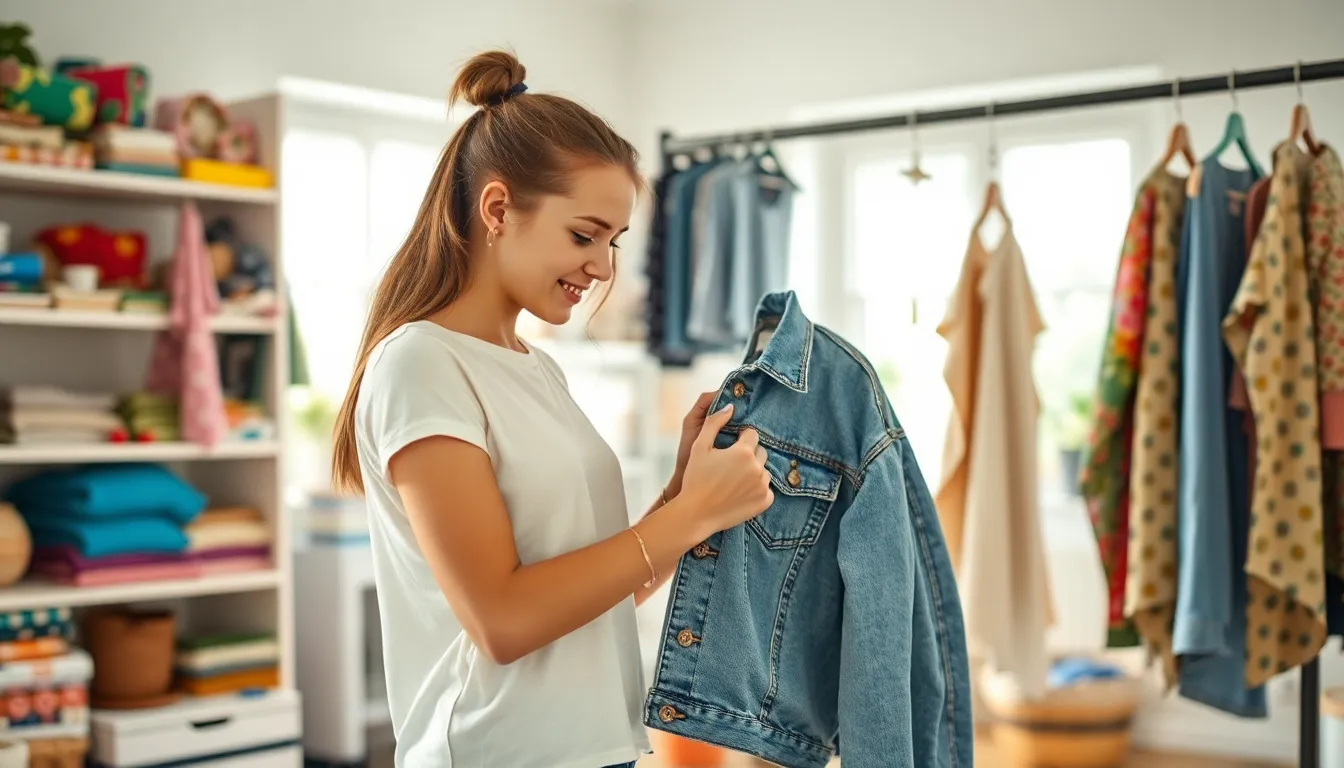
Fashion upcycling presents numerous benefits, notably in environmental sustainability and economic advantages. People gain diverse opportunities to creatively engage with their wardrobes while making a positive impact.
Environmental Impact
Fashion upcycling significantly reduces textile waste. According to the Environmental Protection Agency, around 17 million tons of textile waste end up in landfills each year in the US. Upcycling extends the life of garments, minimizing the demand for new clothing. By transforming old items, individuals lower their environmental footprint. Upcycled fashion promotes resource conservation, lessens pollution caused by textile production, and fosters biodiversity by reducing the need for raw materials.
Economic Advantages
Fashion upcycling offers substantial economic benefits. Individuals save money by revamping existing clothing instead of purchasing new pieces. According to a report from Statista, new clothing prices increased by 20% between 2020 and 2022. Upcycling allows consumers to enjoy stylish outfits without incurring high costs. Additionally, those who sell upcycled items can profit from their creativity while contributing to a growing market for sustainable fashion. This approach cultivates a do-it-yourself ethos, empowering individuals to take control of their fashion choices.
Creative Fashion Upcycling Ideas
Fashion upcycling offers numerous opportunities to creatively transform old garments into stylish pieces while promoting sustainability. Here are various ideas for clothing transformation and accessory redesign.
Clothing Transformation
- T-shirt to Tote Bag: Transform an old t-shirt into a functional tote bag by cutting the sleeves and bottom hem, then tying the bottom together. This project requires minimal sewing and creates a durable bag for shopping or daily use.
- Oversized Shirt to Crop Top: Cut an oversized shirt to create a trendy crop top. Adjust the length according to preference, and add embellishments like lace or fabric paint for a unique touch.
- Worn-out Jeans to Denim Skirt: Repurpose old jeans into a stylish denim skirt. Cut the legs and sew the sides together, using fabric from the legs as patches for a distressed look.
- Sweater to Pillow Cover: Turn an unused sweater into a decorative pillow cover. Cut the front and back pieces, sew them together, and insert a pillow, providing a cozy and chic home accessory.
- Skirt to Dress: Convert a long skirt into a dress. Use the waistband as the top and add straps for a simple yet fashionable outfit, ideal for summer gatherings.
Accessory Redesign
- Bracelet from Scraps: Use fabric scraps and beads to create unique bracelets. Braid the fabric strips together and secure them with beads for added flair.
- Necklace from Old Tie: Transform an old tie into a statement necklace. Cut the tie into strips, tie them together, and add decorative elements, showcasing creativity.
- Earrings from Denim: Repurpose denim scraps into earrings. Cut out small shapes, attach earring hooks, and enjoy stylish accessories that reflect personal taste.
- Scarf to Headband: Convert an old scarf into a headband. Fold it and tie it around the head for a chic, bohemian style that accents any outfit.
- Button Brooch: Create a brooch using spare buttons. Arrange them in a design, attach them to a pinback, and add a pop of color to jackets or bags.
Practical Tips for Upcycling
Upcycling requires the right tools and materials to transform garments effectively. Gathering essential supplies enhances creativity and streamlines the process.
Tools and Materials Needed
- Sewing Machine: A sewing machine simplifies stitching projects and allows for precise sewing, making it essential for most upcycling endeavors.
- Scissors: Sharp fabric scissors facilitate clean cuts through multiple layers of fabric, crucial for seamless transformations.
- Needles and Thread: Various needle sizes and colors of thread ensure compatibility with different fabrics, providing flexibility in projects.
- Fabric Glue: Fabric glue offers a quick solution for attaching embellishments or securing hems without sewing, ideal for non-sewers.
- Iron: An iron smooths out wrinkles and helps set hems or seams, ensuring professional-looking results.
- Measuring Tape: Accurate measurements prevent mistakes and guide cuts, essential for creating well-fitted pieces.
- Old Clothing: Choosing items with good fabric quality or unique characteristics ensures successful upcycling, such as vintage or slightly damaged pieces.
Step-by-Step Guide
- Select the Item: Choose an old garment that can be easily transformed. Consider its condition and fabric type for the intended project.
- Plan the Design: Sketch or visualize the desired outcome. Planning enhances focus and streamlines the execution of the project.
- Gather Materials: Accumulate all necessary tools and materials. Having everything on hand prevents interruptions during the process.
- Prepare the Fabric: Clean and iron the old garment to ensure a smooth working surface. This step is critical for achieving polished results.
- Cut and Modify: Carefully cut the fabric according to the design. Use the sewing machine or fabric glue for adjustments and modifications as needed.
- Embellish: Add personal touches like patches, embroidery, or fabric paint. Enhancements increase style and uniqueness.
- Finish Edges: Secure unfinished edges to prevent fraying. Use a zig-zag stitch or fabric glue for a clean finish.
- Try It On: Assess the fit and make necessary adjustments. Ensuring comfort is vital for wearing the finished piece confidently.
- Showcase Your Work: Wear the upcycled creation or share it online to inspire others. Promoting the piece contributes to a community surrounding sustainable fashion.
Fashion upcycling opens up a world of creativity while championing sustainability. By transforming old garments into fresh styles individuals not only express their unique fashion sense but also contribute to a healthier planet. The endless possibilities for repurposing clothing encourage a shift away from fast fashion towards more mindful consumption.
As people embrace these innovative ideas they not only save money but also reduce textile waste significantly. This movement empowers individuals to take control of their wardrobes and make impactful choices. With a few essential tools and a bit of imagination anyone can start their upcycling journey and redefine their fashion narrative.