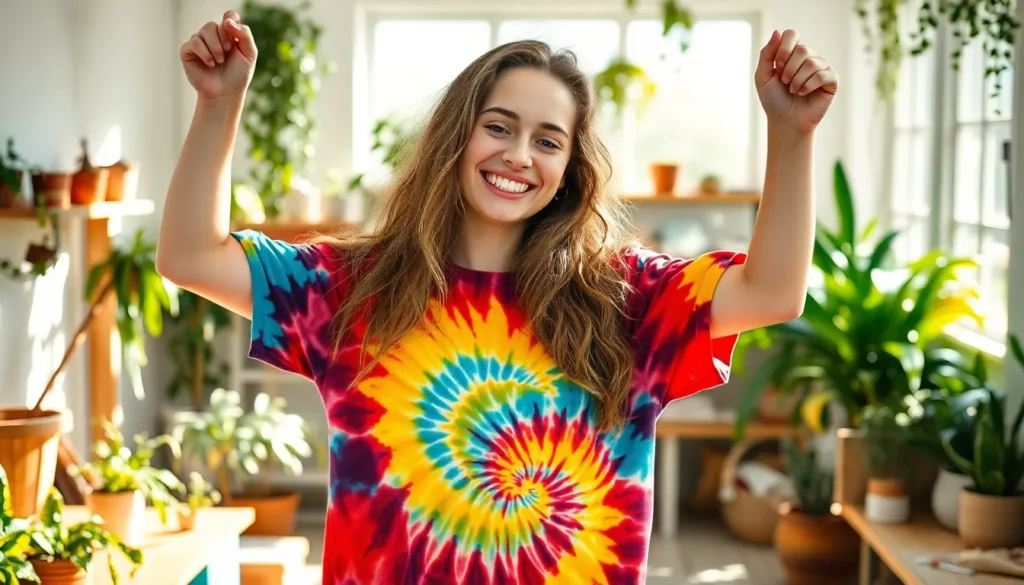
Fashion dyeing is an art that transforms ordinary fabrics into vibrant expressions of personal style. With a rich history that spans cultures and centuries, dyeing techniques have evolved, giving designers and DIY enthusiasts endless possibilities to create stunning garments. From traditional methods like tie-dye to modern techniques using eco-friendly dyes, the world of fashion dyeing is as diverse as it is captivating.
As sustainability takes center stage in the fashion industry, more people are exploring dyeing as a way to breathe new life into old clothing. This creative process not only allows for unique customization but also promotes environmentally conscious practices. Whether it’s a bold statement piece or subtle hues, fashion dyeing opens the door to individuality and self-expression, making it a vital topic for anyone passionate about style.
Overview of Fashion Dyeing
Fashion dyeing embodies a rich history that spans cultures and centuries. It encapsulates techniques that range from ancient to contemporary practices. Historical methods, like tie-dye and batik, showcase the artistry and skill involved in transforming fabrics. In contrast, modern techniques focus on efficiency and sustainability.
Dyeing processes utilize various materials, including natural dyes from plants, minerals, and synthetic options. Each material affects the final color and texture of the garment. For example, indigo from plants creates deep blues, while synthetic dyes offer vibrant hues and consistency.
Eco-friendly dyeing is gaining traction as sustainability shapes fashion choices. Methods such as natural dyeing and low-impact synthetic dyes minimize environmental impact. These approaches not only reduce waste but also promote a circular fashion economy by giving new life to old textiles, enhancing uniqueness and character.
Fashion dyeing serves as a form of self-expression, allowing individuals to personalize their clothing. Customized colors and patterns provide style enthusiasts opportunities to showcase creativity. This trend aligns with the growing demand for individuality in fashion, making dyeing an essential skill for designers and hobbyists alike.
Fashion dyeing stands as a dynamic intersection of art, culture, and sustainability, fostering innovation and personalization in the fashion industry.
Techniques in Fashion Dyeing
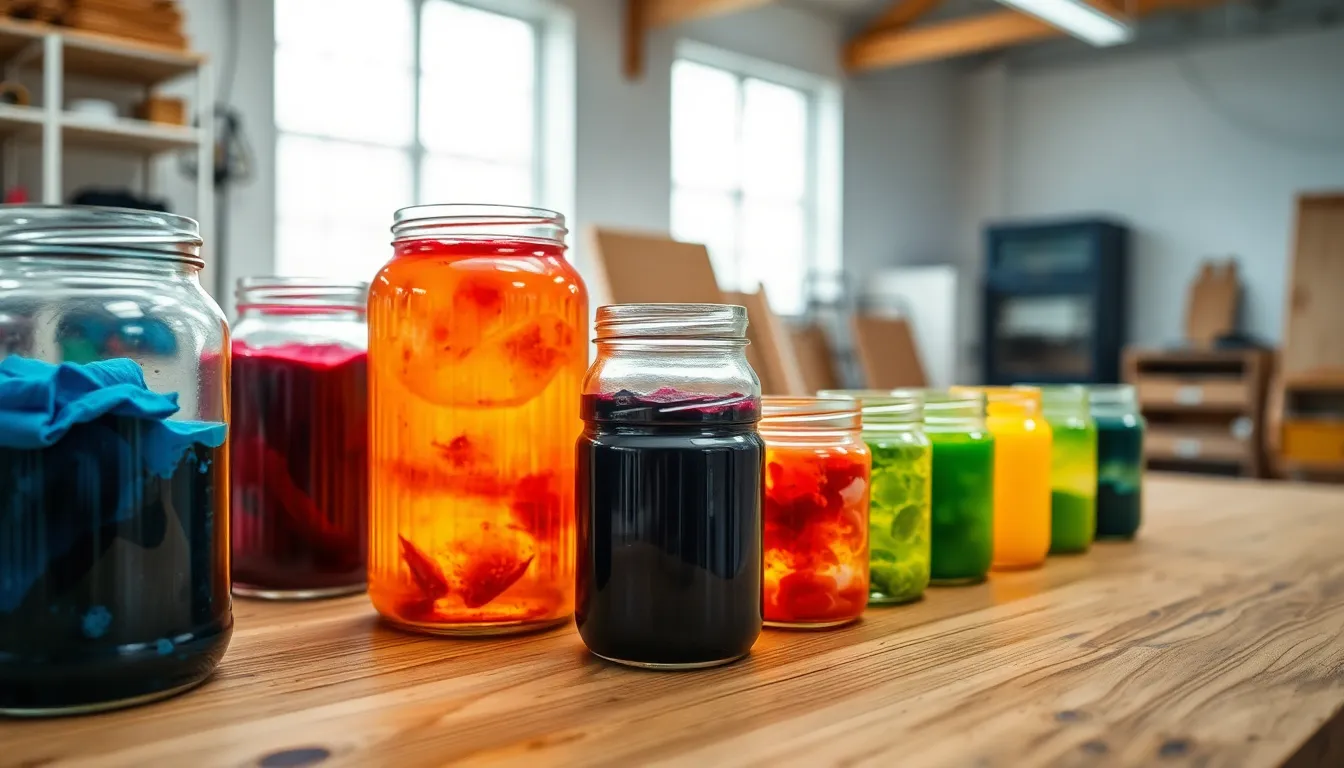
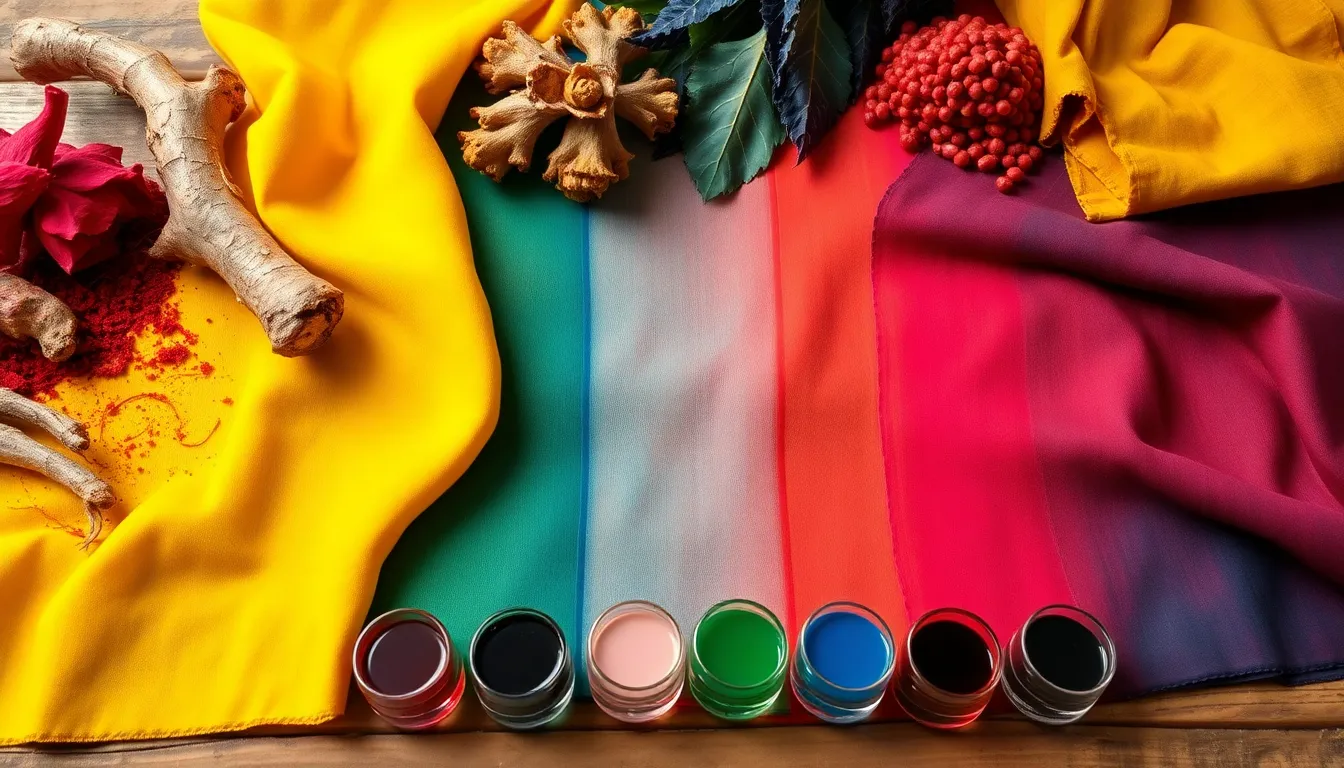
Fashion dyeing encompasses a variety of techniques that transform materials into unique, colorful expressions. Both natural and synthetic methods create diverse effects on fabric.
Natural Dyeing Methods
Natural dyeing utilizes plant-based sources such as roots, leaves, fruits, and flowers to produce colors. Common natural dyes include:
- Indigo: Extracted from indigo plants, produces vibrant blues.
- Madder: Sourced from madder root, yields shades of red and orange.
- Turmeric: Derived from the turmeric root, creates bright yellow hues.
- Cochineal: Obtained from cochineal insects, delivers rich reds.
Natural dyeing promotes sustainability by reducing reliance on synthetic chemicals, often resulting in softer textures and beautiful variations. It’s essential to use mordants, such as alum or iron, to fix dyes to fibers for longevity.
Synthetic Dyeing Processes
Synthetic dyeing involves chemical dyes created through industrial processes. These dyes afford bright, consistent colors and quick application. Notable synthetic dye types include:
- Acid Dyes: Ideal for protein fibers like silk and wool, producing vibrant shades.
- Reactive Dyes: Bond well with cellulose fibers such as cotton, ensuring lasting color.
- Disperse Dyes: Used primarily for synthetic fibers, offering a wide color range.
- Vat Dyes: Suitable for cotton, these dyes produce deep, rich colors often associated with denim.
Synthetic dyeing processes typically require less time than natural methods; however, they can contribute to environmental issues if not managed responsibly. Advances in low-impact synthetic dyes provide a more eco-conscious choice within this category, minimizing harmful effects while maintaining vibrant colors.
Environmental Impact of Fashion Dyeing
Fashion dyeing significantly affects the environment, particularly through water usage and pollution. Understanding these impacts highlights the need for sustainable practices within the industry.
Water Consumption and Pollution
Dyeing processes consume vast amounts of water, with estimates suggesting that approximately 100 to 150 liters of water are needed to dye just one kilogram of fabric. This high demand strains local water resources, especially in regions already facing water scarcity. Moreover, wastewater from dyeing facilities often contains toxic chemicals and heavy metals. Discharged untreated, this wastewater pollutes waterways, affecting aquatic life and local communities. Studies indicate that dye effluents can lead to severe water contamination, rendering surrounding water sources unsafe for drinking and agricultural use.
Sustainable Alternatives
Sustainable alternatives in fashion dyeing emphasize eco-friendliness and efficiency. Techniques such as plant-based dyeing harness natural materials like indigo, turmeric, and cochineal. These dyes not only reduce chemical use but also minimize environmental degradation. Innovations like waterless dyeing technologies, including digital printing and supercritical CO2 dyeing, further mitigate water consumption and pollution. These methods ensure vibrant colors while conserving significant water resources. Brands adopting such sustainable practices promote an environmentally responsible approach, appeal to eco-conscious consumers, and contribute positively to the fashion industry’s environmental footprint.
Innovations in Fashion Dyeing
Innovations in fashion dyeing focus on advanced technology and sustainable practices that reshape the industry. These developments enhance efficiency, reduce environmental impact, and encourage creativity.
Technology and Digital Dyeing
Technology transforms fashion dyeing through digital printing techniques, which allow for intricate designs with precise color matching. Digital dyeing uses UV or inkjet technology to print directly on fabrics, minimizing waste and water usage. This method provides flexibility for custom designs, enabling brands to respond swiftly to trends. Additionally, 3D dyeing technologies enable the creation of complex color patterns, merging technology with artistry. Companies like Epson and Mimaki lead the charge in offering cutting-edge digital dyeing solutions, making them increasingly popular within the fashion industry.
Eco-Friendly Practices
Eco-friendly practices in fashion dyeing gain traction as brands seek to minimize their environmental footprint. Natural dyes, derived from plants and insects, not only offer vibrant colors but also promote sustainability by reducing reliance on harmful chemicals. Innovations such as waterless dyeing technologies further enhance eco-friendliness by eliminating the excessive water typically used in traditional dyeing processes. Brands like Oeko-Tex and GOTS-certified companies implement rigorous standards for sustainable dyeing, ensuring low-impact operations. Adoption of these practices not only appeals to environmentally-conscious consumers but also fosters a responsible approach to fashion production.