Ethnic fashion designs celebrate the rich tapestry of cultural heritage and artistic expression found across the globe. They offer a vibrant blend of traditional craftsmanship and contemporary style, allowing individuals to embrace their roots while making bold fashion statements. From intricate embroidery to unique patterns, these designs tell stories that resonate with diverse communities.
As the world becomes more interconnected, ethnic fashion is gaining popularity among fashion enthusiasts seeking authenticity and individuality. Designers are increasingly drawing inspiration from their cultural backgrounds, creating collections that honor traditions while appealing to modern sensibilities. This fusion not only promotes cultural appreciation but also challenges the boundaries of mainstream fashion, inviting everyone to explore the beauty of ethnic diversity.
Overview of Ethnic Fashion Designs
Ethnic fashion designs represent a fusion of traditional and modern aesthetics. They embody cultural narratives, utilizing textiles, patterns, and techniques inherent to specific ethnic groups. Each design reflects the region’s history, beliefs, and customs, providing insight into the diverse world of fashion.
Designers often incorporate traditional craftsmanship into contemporary silhouettes. For instance, artisans may weave intricate patterns into garments, blending age-old skills with current trends. Fashion shows frequently showcase these collections, promoting cultural pride and heritage.
Materials play a vital role in ethnic fashion. Fabrics such as silk, cotton, and wool are common, each chosen for their cultural significance and sensory appeal. It’s not unusual for designers to source fabrics locally, supporting regional economies and sustainable practices.
Color palettes also hold meaning in ethnic designs. Vibrant hues symbolize emotions, celebrations, or rituals. Neutral tones, on the other hand, often reflect simplicity and earthiness. The thoughtful use of color enhances the narrative each piece conveys.
Global fashion markets increasingly embrace ethnic designs. Modern consumers seek authenticity and individuality, prompting designers to explore their heritage while appealing to a broader audience. This trend fosters cultural appreciation and aids in the preservation of artisanal techniques and traditions.
Historical Significance
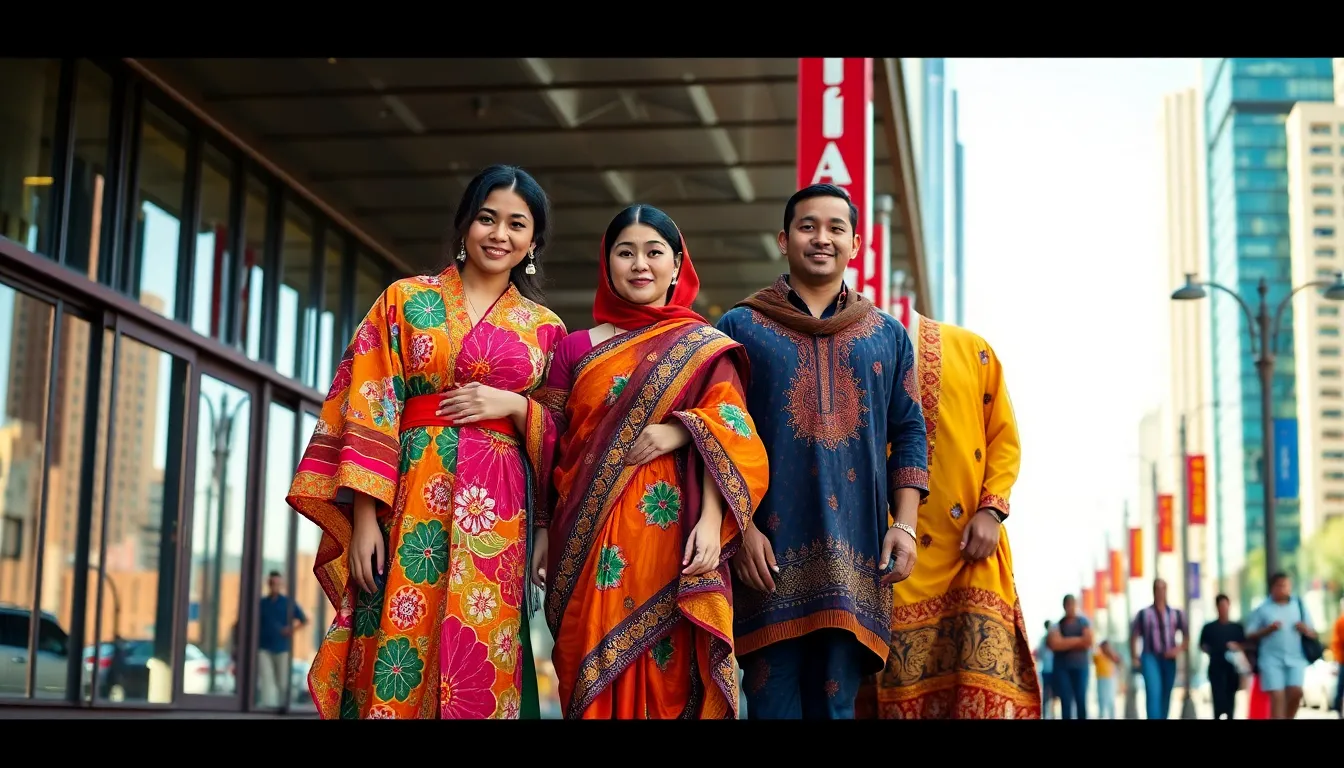
Ethnic fashion designs carry deep historical significance, serving as a reflection of cultural heritage and artistic traditions. They provide a tangible connection to the past while influencing contemporary fashion trends.
Cultural Roots
Cultural roots form the foundation of ethnic fashion, revealing diverse histories and identities. Many designs originate from specific rituals, ceremonies, or community events, showcasing the unique beliefs and stories of various ethnic groups. Clothing often symbolizes social status, marital status, or spiritual beliefs, and traditional garments such as the kimono in Japan, the saree in India, and the dashiki in West Africa illustrate these cultural narratives. Each piece offers insight into the values and aesthetics of a culture, emphasizing the importance of preservation and respect for these traditions.
Evolution Over Time
The evolution of ethnic fashion reflects societal changes and globalization. Historically, these designs were confined to local communities, but exposure to different cultures and styles has led to significant transformation. In the 20th century, influences from Western fashion began to merge with ethnic styles, leading to hybrid designs that appeal to a broader audience. Modern ethnic fashion frequently incorporates contemporary silhouettes while maintaining traditional elements, allowing a new generation to appreciate its roots. This blend highlights the ongoing dialogue between past and present, showcasing the adaptive nature of ethnic fashion and its role in the global fashion landscape.
Key Elements of Ethnic Fashion Designs
Ethnic fashion designs incorporate distinctive components that celebrate cultural heritage. Key elements include fabrics, textiles, patterns, and embellishments that reflect the rich history and artistry of various ethnic groups.
Fabrics and Textiles
Fabrics and textiles serve as the foundation of ethnic fashion, expressing cultural significance and traditional craftsmanship. Designers frequently utilize materials like silk, cotton, and wool, each chosen for their durability and cultural relevance. For example, silk often signifies luxury in many cultures, while cotton embodies comfort and versatility. Textiles are often handcrafted using age-old techniques, showcasing local artisans’ skills and preserving traditional methods. Using naturally dyed materials adds an extra layer of authenticity, creating unique color palettes that reflect regional landscapes and cultural narratives.
Patterns and Embellishments
Patterns and embellishments stand out in ethnic fashion, conveying stories and symbolism through visual language. Common pattern styles include geometric shapes, floral motifs, and intricate tribal designs, each indicative of specific cultural history. Embellishments enhance garments, incorporating techniques like embroidery, beadwork, and appliqué. These elements not only add aesthetic value but also connect wearers to the stories and rituals tied to their heritage. The thoughtful integration of patterns and embellishments creates pieces that resonate deeply, making ethnic fashion both visually striking and culturally rich.
Influential Designers in Ethnic Fashion
Several designers play pivotal roles in ethnic fashion, merging tradition with innovation. Their contributions reshape cultural narratives and influence fashion trends worldwide.
Spotlight on Notable Designers
- Sabyasachi Mukherjee: This Indian designer is renowned for his luxurious bridal wear. He incorporates traditional motifs and techniques, emphasizing local craftsmanship and rich heritage.
- Isabel Marant: This French designer embraces bohemian aesthetics, integrating ethnic prints and textiles into her collections. Her work reflects a crossover of global influences with modern style.
- Vivek Kumar: Known for his dedication to sustainable fashion, Kumar blends organic materials and traditional crafts, creating pieces that resonate with eco-conscious consumers.
- Chloé: This brand often features ethnic designs inspired by various cultures. Their collections showcase vibrant colors and intricate patterns, appealing to a diverse audience.
- Zara: This fast-fashion giant incorporates ethnic-inspired collections periodically. Their ability to quickly translate traditional styles into mass-market products impacts global trends.
Impact on Global Fashion Trends
Influential designers in ethnic fashion significantly shape global fashion trends. They introduce elements like traditional patterns and craftsmanship into contemporary settings, attracting diverse consumer bases.
- Cultural Appreciation: Designers emphasize cultural significance, promoting respect and understanding across various communities. This heightened awareness contributes to a growing market for authentic ethnic fashion.
- Sustainability: Ethnic fashion often prioritizes sustainable practices, with many designers advocating for ethical sourcing of materials. This trend aligns with a global push towards environmentally friendly fashion.
- Cross-Cultural Fusion: Designers frequently experiment with blends of different cultural aesthetics. This fusion results in innovative styles that reflect the interconnected nature of the modern fashion landscape.
- Social Media Influence: The rise of social media platforms allows designers to showcase ethnic fashion to global audiences. This exposure helps traditional designs gain recognition and respect in contemporary fashion discourse.
Through their visionary approaches, these designers elevate ethnic fashion’s status, demonstrating its relevance in today’s dynamic fashion industry.
Contemporary Trends in Ethnic Fashion
Contemporary ethnic fashion showcases a dynamic blend of traditional elements and modern aesthetics. This section examines the rising trends in fusion fashion and sustainable practices within the industry.
Fusion Fashion
Fusion fashion merges diverse cultural influences, creating unique styles that resonate with a global audience. Designers often blend ethnic textiles and patterns with contemporary silhouettes, resulting in innovative garments that celebrate multiculturalism. For instance, pairing traditional Indian motifs with Western cuts or incorporating African prints into modern dresses exemplifies this trend. Such combinations appeal to fashion-forward individuals looking for authenticity while maintaining a stylish edge. Brands like Desigual and Anokhi exemplify this approach, frequently launching collections that emphasize originality and creativity through the fusion of cultural designs.
Sustainable Practices
Sustainability plays a pivotal role in contemporary ethnic fashion. Many designers emphasize eco-friendly practices by sourcing materials responsibly and implementing ethical manufacturing processes. Utilizing organic fabrics, like cotton and linen, reduces environmental impacts while supporting local artisans. Brands such as Nalli and Oxxus prioritize sustainable craftsmanship, showcasing handwoven textiles that highlight traditional techniques. Additionally, upcycling and recycling materials within ethnic fashion design minimizes waste, aligning with the growing consumer demand for environmentally conscious clothing. This commitment to sustainability not only preserves cultural heritage but also empowers communities and fosters a sense of responsibility within the fashion industry.
Ethnic fashion designs embody a rich tapestry of cultural narratives and artistic expression. As designers continue to blend traditional craftsmanship with modern aesthetics, they create pieces that resonate with a diverse audience. This fusion not only honors cultural heritage but also fosters a deeper appreciation for the stories woven into each garment.
The rise of sustainable practices within ethnic fashion further enhances its appeal, promoting ethical consumption while preserving invaluable traditions. As the global fashion landscape evolves, ethnic designs stand out as a testament to individuality and authenticity. Embracing these styles allows individuals to celebrate their roots while making a bold statement, ensuring that cultural narratives remain vibrant and relevant.