Family traditions are the threads that weave together the fabric of shared experiences and cherished memories. They create a sense of belonging and identity, helping to strengthen the bonds between family members. Whether it’s a weekly game night or a holiday ritual, these customs can enrich lives and provide comfort in an ever-changing world.
In today’s fast-paced society, establishing meaningful family traditions can feel challenging. Yet, the impact of these rituals goes beyond mere nostalgia; they foster connection, teach values, and create lasting legacies. Discovering how to build and maintain these traditions can transform a household, ensuring that families remain united through generations.
Importance Of Building Family Traditions
Building family traditions plays a vital role in fostering connection and unity. These customs contribute to forming an identity and a sense of belonging among all family members.
Strengthening Family Bonds
Strengthening family bonds occurs through shared experiences. Regular traditions, like family dinners or outings, create consistent opportunities for interaction. This interaction cultivates trust and communication among members. When families engage in traditions together, they reinforce their support for one another, increasing overall cohesion.
Creating Lasting Memories
Creating lasting memories is an essential aspect of family traditions. Unique activities, such as annual trips or special holiday celebrations, provide moments that family members cherish. These memories shape family narratives and help link generations. When families reflect on traditions, they often recall cherished moments, leading to nostalgia and a stronger family identity.
Types Of Family Traditions
Family traditions vary widely, providing families with unique ways to bond and create lasting memories. Below are some distinct categories of family traditions that help shape a family’s identity and relationships.
Holiday Traditions
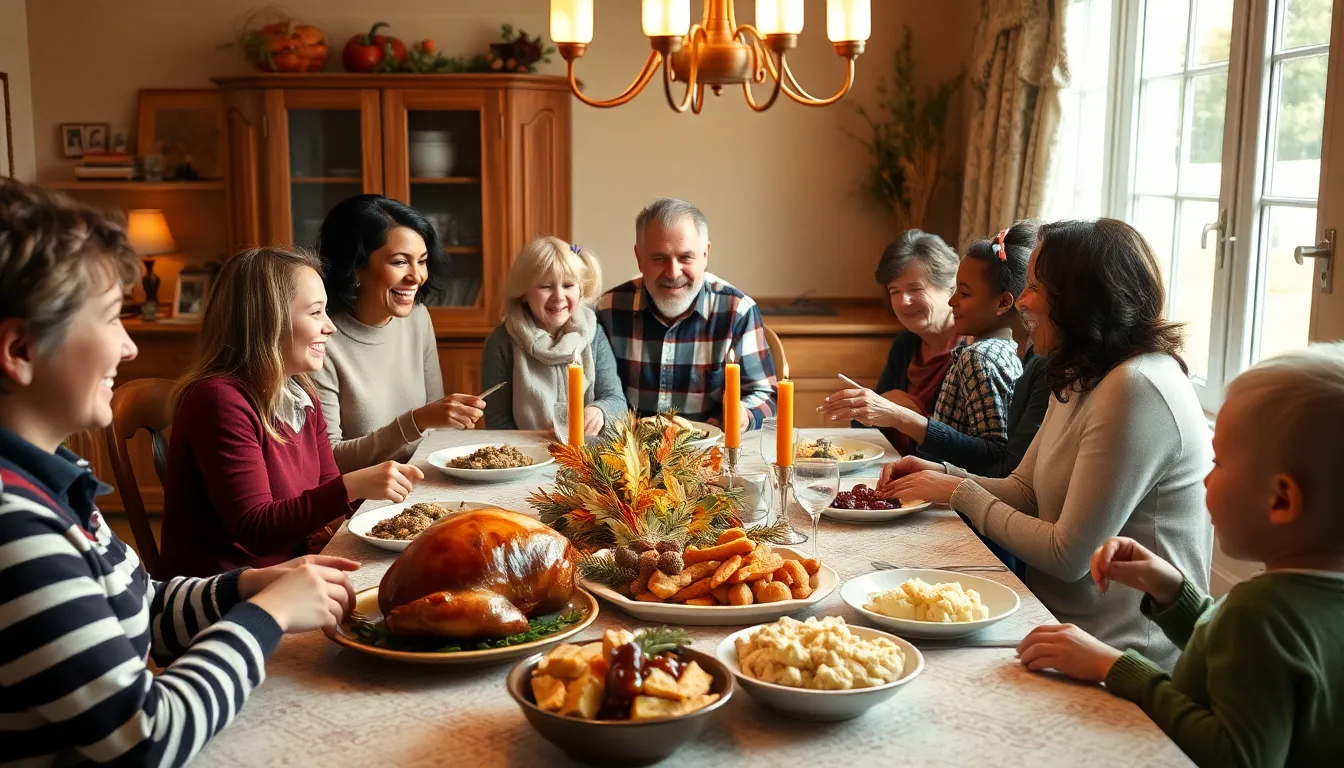
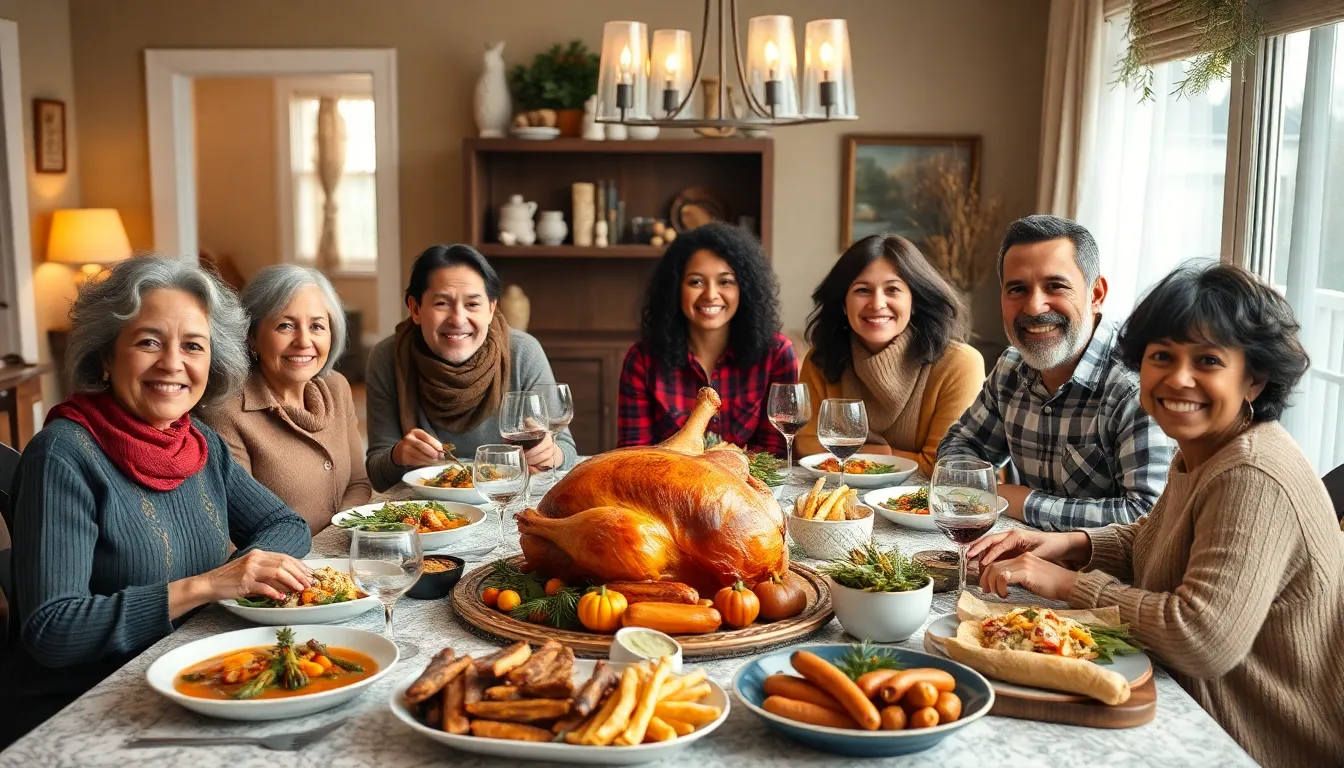
Holiday traditions include specific activities or customs celebrated annually. Examples include Thanksgiving dinners, where families gather to share meals and express gratitude, or Christmas traditions such as decorating trees or giving gifts. These traditions create a sense of joy and anticipation, reinforcing family connections. Participating in these customs fosters unity and solidifies shared memories across generations.
Weekly Rituals
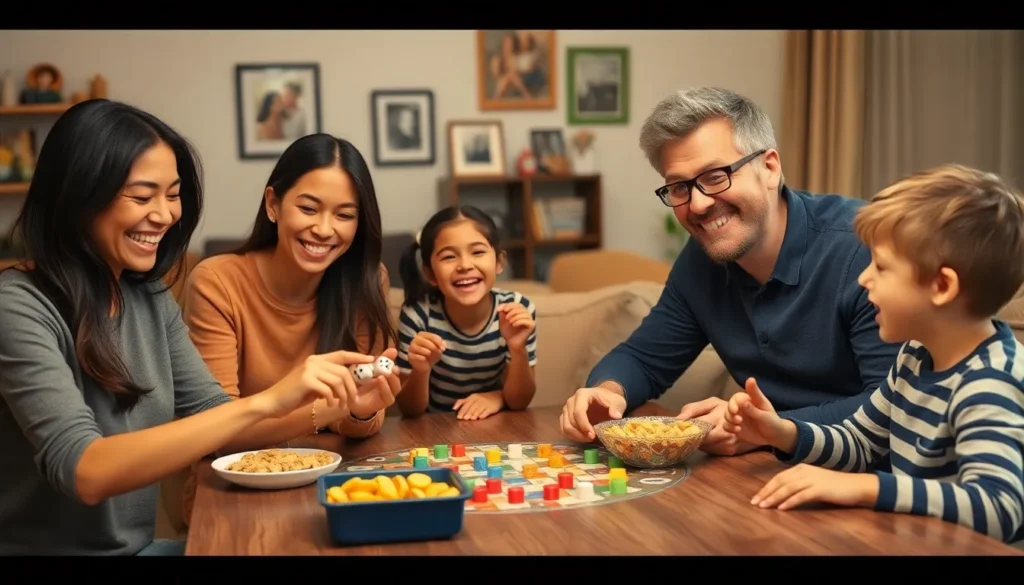
Weekly rituals refer to consistent activities that families engage in regularly. Family game nights offer a fun, interactive way to strengthen relationships, while Sunday dinners can serve as a time for reflection and connection. These rituals provide a structured opportunity for communication and bonding, making them essential for maintaining healthy family dynamics. Regularly scheduled check-ins, like movie nights or brunches, create a consistent rhythm that fortifies family ties.
Cultural Practices
Cultural practices encompass unique traditions tied to specific cultural backgrounds. These practices may include celebrating ethnic holidays, preparing traditional meals, or participating in cultural festivals. For instance, families might celebrate Lunar New Year by gathering for a festive meal or honoring cultural heritage through storytelling. Engaging in these practices instills pride in one’s background and reinforces family identity, fostering unity among family members.
Tips For Building Family Traditions
Creating successful family traditions involves engaging all members, simplifying activities, and maintaining consistency. These strategies ensure traditions are meaningful, enjoyable, and sustainable over time.
Involving Everyone
Involving each family member fosters inclusivity and strengthens bonds. Engaging children in the planning of traditions, such as choosing games for family nights or selecting vacation destinations, instills a sense of ownership. Encouraging input from all ages allows families to create traditions reflective of shared interests and values. Assigning specific roles within traditions, such as meal preparation or decoration, further enhances participation and commitment.
Keeping It Simple
Keeping traditions simple and manageable enhances enjoyment. Initiating low-key activities like weekly movie nights or monthly picnics reduces stress and ensures participation. When traditions don’t require extensive preparation, families can focus on their main goal: spending time together. Simplicity leads to accessibility, making it easier for everyone to engage regularly without feeling overwhelmed.
Staying Consistent
Staying consistent with traditions strengthens family connections and fosters expectations. Establishing specific days or times for activities, such as Sunday family dinners or holiday gatherings, cultivates routine and anticipation. Regularity also aids in building lasting memories, as consistent experiences become integral to family identity. Planning ahead while adapting to changes in schedules supports continuity, ensuring traditions remain meaningful despite life’s demands.
Challenges In Building Family Traditions
Building family traditions often encounters obstacles that can hinder their establishment and continuity. Recognizing these challenges aids in navigating them effectively.
Busy Lifestyles
Busy lifestyles present a significant challenge in establishing family traditions. Multitasking schedules, work commitments, and extracurricular activities can prioritize individual obligations over collective family time. Families often struggle to find consistent periods for traditions, leading to infrequent gatherings and diminishing the impact of shared experiences. Planning manageable, low-pressure activities, like quick game nights or simple dinners, can help integrate traditions into busy lives.
Changing Family Dynamics
Changing family dynamics pose another challenge in creating lasting traditions. Divorce, remarriage, or the arrival of new family members alters existing relationships and may complicate the establishment of consistent practices. Blending traditions from different families can lead to confusion or conflict. Navigating these changes requires open communication and compromise to establish new traditions that honor everyone’s background and foster inclusivity. Prioritizing shared experiences enables families to adapt and create meaningful connections despite evolving dynamics.