Imagine stepping into your backyard and being greeted by a stunning deck that’s the envy of the neighborhood. Building a deck isn’t just about adding extra space; it’s about creating a personal oasis where barbecues, sunbathing, and late-night stargazing become the norm. It’s the ultimate upgrade for any home, transforming ordinary outdoor areas into extraordinary escapes.
But let’s be real—deck building can seem daunting. Between lumber choices and design options, it’s easy to feel like you’re trying to solve a Rubik’s Cube blindfolded. Fear not! With the right tips and a sprinkle of humor, anyone can tackle this project. So grab your tool belt and let’s dive into the world of deck building, where creativity meets craftsmanship, and every nail hammered brings you closer to your dream outdoor retreat.
Importance of Building Decks
Building decks enhances outdoor living spaces significantly. They provide designated areas for relaxation, entertainment, and family bonding. Decks increase property value and attract potential buyers. They offer an appealing aesthetic that can transform a backyard into a personal paradise.
Outdoor gatherings become more enjoyable with well-designed decks. Various materials, such as wood, composite, or vinyl, suit different budgets and preferences. They also allow homeowners to express individual styles through diverse designs and colors. Comfort and functionality improve when spaces are laid out for easy flow and accessibility.
Natural surroundings become part of the experience. Decks can integrate seamlessly with gardens, lawns, and scenic views, making outdoor activities more engaging. They support activities like barbecues, sunbathing, and stargazing, enhancing quality time spent with family and friends.
Maintenance considerations play a role in deck selection. Some materials require less upkeep and can withstand harsh weather conditions. Safety features, such as railings and non-slip surfaces, elevate the usability of decks, ensuring a secure environment for all.
Investing in decks offers both immediate satisfaction and long-term benefits. They create inviting spaces that foster social interaction and promote an outdoor lifestyle. Homeowners can enjoy the tranquility of nature while having the comfort of home just steps away. Building decks fosters creativity and craftsmanship, leading to personalized retreats in any backyard.
Choosing the Right Materials
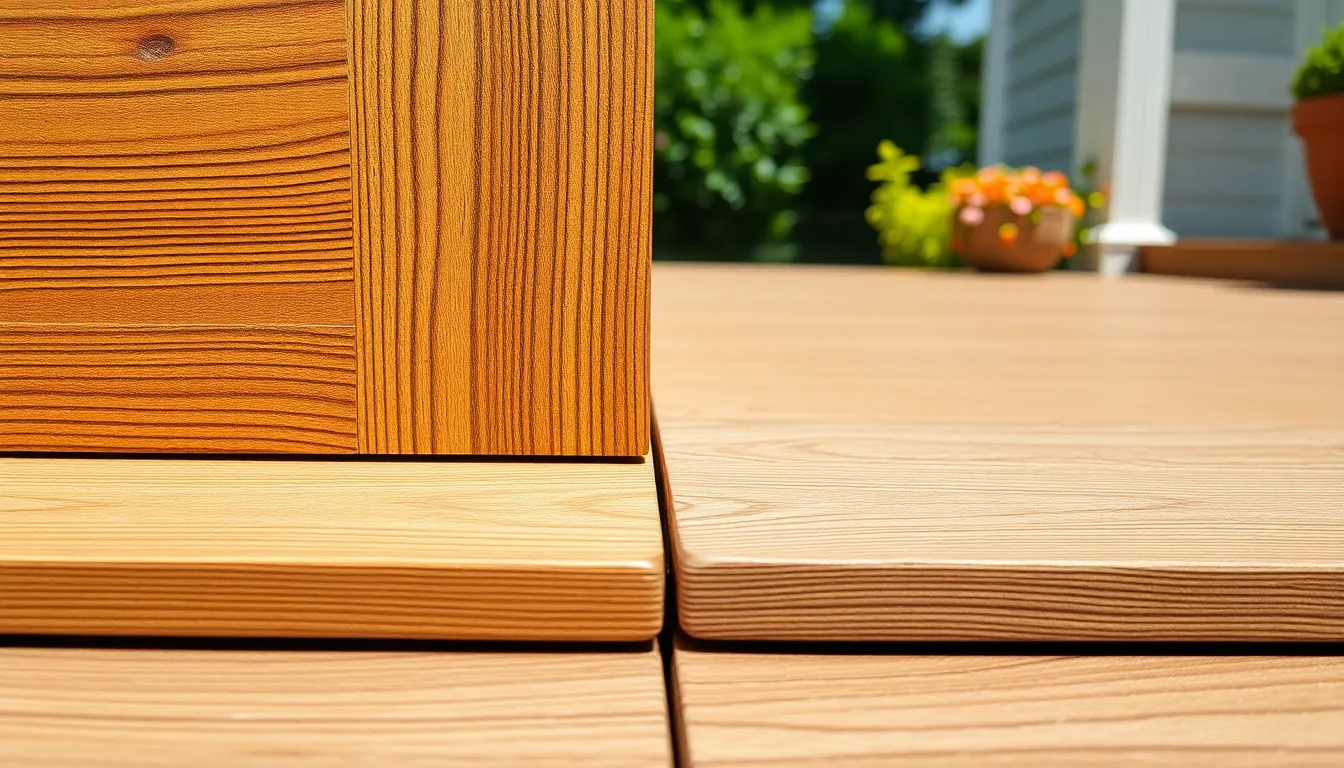
Selecting the right materials significantly impacts the durability, aesthetics, and maintenance of a deck. Understanding options leads to informed decisions.
Wood vs. Composite
Wood presents classic beauty and warmth, ideal for traditional aesthetics. It requires regular maintenance such as staining and sealing to protect against weathering and pests. Cedar and redwood are popular choices due to their natural resistance to decay. Composite materials, however, offer enhanced durability and minimal upkeep. These materials resist fading, stains, and mold, making them a practical option for busy homeowners. Cost comparisons show that composite decks often come with a higher initial price, but the reduced maintenance costs can balance the investment over time.
Metal and Other Options
Metal decks provide a modern, sleek appearance and exceptional longevity. Aluminum and steel are popular choices, offering resistance to rust and pests. Options like powder-coated finishes enhance aesthetics and offer a variety of colors. Other alternatives include concrete and stone, which provide unique visual appeal and excellent durability. While concrete can take longer to install, its low-maintenance nature appeals to many homeowners. Each material holds advantages, so consider specific needs and styles when selecting the right one.
Planning Your Deck Design
Planning a deck design involves careful thought about its functionality and overall appearance. Homeowners should consider how the deck aligns with their lifestyle and outdoor activities.
Functionality Considerations
Understanding the intended use of the deck is essential. For instance, entertaining guests may require ample space, while a quiet retreat might benefit from privacy features. Traffic flow should facilitate easy movement between indoor and outdoor areas. Including built-in seating or storage can enhance usability. Local climate plays a crucial role in selecting features such as shade or shelter provisions. Additionally, considering future growth or changes in family needs helps in creating a deck that remains relevant over time.
Aesthetic Choices
Aesthetic choices significantly influence the deck’s visual impact. Homeowners can opt for various styles, from modern to rustic, ensuring alignment with the home’s architecture. Color schemes should complement surrounding landscapes. Textured surfaces like wood grain or smooth composites add character and visual interest. Railing styles, lighting options, and decorative elements further personalize the deck design. Choosing furniture and accessories that coordinate with the overall scheme enhances the space’s appeal. Ultimately, combining functionality and aesthetics results in a cohesive and inviting outdoor area.
Steps to Build Decks
Building a deck involves structured steps that ensure a successful outcome. Below are the essential phases to consider.
Preparation and Planning
Preparation and planning set the foundation for deck construction. Determine the deck’s purpose, whether for entertaining or relaxation. Evaluating available space and local regulations is crucial; permits may be required before starting. Planning includes sketching the deck design, considering size and shape. Measuring dimensions accurately helps avoid costly mistakes later. Choosing materials appropriately affects both aesthetics and maintenance obligations. Developing a budget is also essential; it governs the choices made and the feasibility of the project.
Construction Process
The construction process involves several key stages. Begin by establishing a solid foundation, ensuring the deck supports the intended weight. This may include installing footings and posts according to local building codes. Once the foundation is secure, frame the structure with beams and joists to provide stability. Next, lay the decking boards, ensuring they are spaced evenly for drainage. Incorporating safety features, such as railings and stairs, increases usability and compliance with regulations. Finally, finishing touches such as stains or sealants enhance durability and visual appeal. Following these steps closely leads to a successful deck that meets both functional and aesthetic goals.
Maintenance Tips for Deck Longevity
Routine maintenance ensures the deck remains in prime condition for years. Regular cleaning prevents the buildup of dirt, mold, and algae. Using a gentle soap solution with a soft-bristle brush effectively removes debris without damaging surfaces.
Sealing the deck every one to three years extends its lifespan. This process protects the wood from moisture and UV rays. Homeowners should opt for water-based sealants for optimal results.
Inspecting for signs of damage is critical for preserving a deck’s integrity. Look for loose boards, splintering, and signs of rot. Addressing these issues quickly prevents further deterioration and costly repairs.
Applying a protective finish helps maintain the deck’s appearance. This finish prevents fading and keeps colors vibrant. It’s advisable to choose finishes specifically designed for outdoor use.
Trimming surrounding foliage enhances airflow and decreases moisture retention. Keeping plants trimmed away from the deck reduces the risk of mold growth. Additionally, maintaining clear pathways for drainage prevents water pooling.
Using furniture pads and coasters on deck surfaces preserves the finish. These simple additions prevent scratches and dents caused by heavy items. Regularly rearranging furniture also allows for even wear on surfaces.
Winter preparation includes clearing snow and ice promptly. Utilizing a plastic shovel protects the deck from scratches. Avoiding salt or chemical de-icers preserves the surface integrity.
Lastly, documenting maintenance activities helps track what has been done. This record assists homeowners in staying organized and making informed decisions in the future.
Building a deck is more than just a home improvement project; it’s an investment in lifestyle and enjoyment. By embracing creativity and following a structured approach, homeowners can transform their outdoor spaces into functional retreats. With careful consideration of materials and design, a deck can enhance both aesthetic appeal and property value.
Regular maintenance ensures that this outdoor oasis remains a welcoming space for years to come. Whether it’s for family gatherings or quiet evenings under the stars, a well-built deck offers a unique opportunity to connect with nature and loved ones. The journey of deck building not only enriches outdoor living but also fosters a sense of accomplishment and pride in one’s home.